
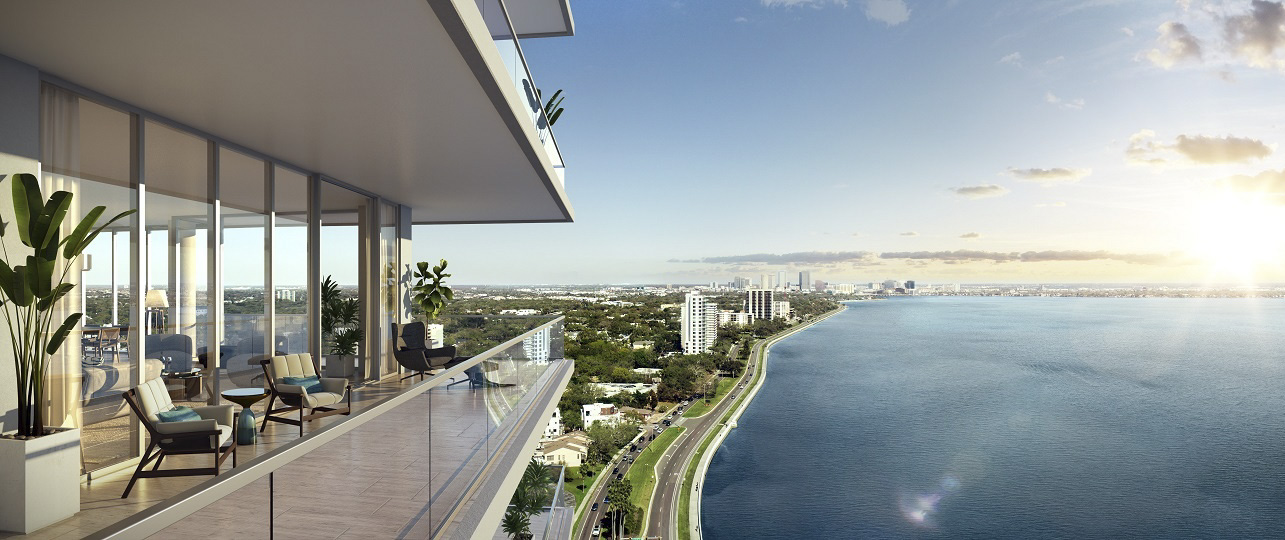
Choosing the right high-rise condo in Tampa starts with understanding the underlying details behind the waterfront views and high-end finishes.
Tampa has no shortage of beautiful high-rise condos. From waterfront towers along Bayshore, Harbour Island, and Channelside to newer residences near Downtown Tampa and Water Street, luxury condo buyers are presented with an exceptional selection of premier properties.
But the right condo isn’t just about the waterfront view or the high-end finishes. You’ll need to see past the facade and look into key details that ultimately matter more.
Here’s what to look out for when choosing the best luxury condos in Tampa, FL.
Table of Contents
1. Building reputation and long-term quality
A luxury condo building needs to be well cared for over time. Views and finishes may stand out during a showing, but top-notch management, thorough maintenance, great service, and overall reputation matter more.
- Start with the building itself. How old is it? Who built it? Has it been maintained well? Look at the lobby, elevators, hallways, garage, amenity spaces, and common areas. They should feel clean and professionally managed, not worn down or neglected.
- Service also matters in a high-rise. Reliable elevators, responsive front desk staff, good security, clean common areas, and clear communication from management can make daily life much easier.
- A building’s reputation can matter when it is time to sell. In Tampa’s luxury condo market, buyers often compare towers before they focus on individual units. A building with clean common areas, reliable elevators, attentive staff, well-maintained amenities, and proper management can make a residence easier to position when it goes back on the market.
2. What the HOA fees include
Knowing what the homeowners association (HOA) fees include gives you a better sense of what you’re buying into.
A higher fee doesn’t necessarily mean it’s a bad investment, while lower fees may be hiding underlying issues around the property. The better question is whether the fee matches the service, upkeep, and financial health of the building.
In a luxury condo in Tampa, FL, the HOA fee may cover:
- Building insurance
- Exterior maintenance
- Common-area upkeep
- Staff, security, or concierge service
- Amenities such as the pool, fitness center, or clubroom
- Trash, landscaping, and building management
- Reserve funding
- Some utilities, depending on the building
3. Views, privacy, and unit orientation
Two residential units in the same condo building can live very differently. The floor level, orientation, and exposure to street-level noise can change the experience of living there. Specifically:
- The unit can feel different throughout the day. A west-facing condo may offer strong sunset views, but it can also bring more afternoon heat and glare. An east-facing condo may feel brighter in the morning and cooler later in the day. Higher floors often feel more private, while lower floors may feel more connected to the street, waterfront, or surrounding neighborhood.
- The unit may or may not handle privacy well. Check sightlines from nearby towers, balconies, amenity decks, garages, and possible future development. A unit that feels quiet during a showing may feel different during a busy weekend or evening downtown.
- Noise can also vary within the same building. Be mindful of units near elevators, trash chutes, mechanical rooms, amenity decks, parking garages, or busy streets. If possible, visit at different times of day to see how the condo feels during rush hour, weekends, and busy nights.
4. The everyday logistics of the building

In a luxury high-rise, ask about concierge procedures, vendor registration, after-hours access, and whether movers or contractors need advance approval.
The logistics of a high-rise can have a big impact on daily life. Parking, storage, package deliveries, elevator access, and storm preparedness can all affect how easy the condo is to live in.
- Parking and EV charging: Confirm whether parking spaces are assigned, deeded, valet, or first-come, first-served. Find out how many spaces come with the unit, where they’re located, how guest parking works, and whether there are EV charging options.
- Storage: One could argue you can never have enough storage in a condo setting. Look at whether the unit includes private storage, where it’s located, how large it is, and whether extra storage can be bought or leased. In waterfront buildings, ask whether storage areas are climate-controlled or located in garage-level spaces.
- Deliveries and building access: Review how the building handles packages, groceries, dry cleaning, furniture deliveries, and service appointments. In a luxury high-rise, ask about concierge procedures, vendor registration, after-hours access, and whether outside contractors—from local repair teams to trusted multi-state contractors like Houston’s Reliable A/C, Heating & Refrigeration Service Provider—need advance approval before performing work on mechanical systems.
- Elevators: Slow or limited elevator access can become frustrating quickly in a tall building. Before buying, find out how many elevators serve the building, whether there’s a service elevator, and how move-ins, contractors, and large deliveries are scheduled.
- Storm and emergency procedures: In Tampa, a building’s hurricane and emergency procedures deserve close attention. Ask about the property’s evacuation zone, flood protocols, generator capacity, garage flood history, resident communication system, and how the building manages elevators, access points, and outdoor common areas before a major storm.
5. The building’s finances and insurance coverage
In Florida, condo associations are required to maintain financial records, budgets, reserves, and other important documentation. Before buying, review the association’s key documents, including:
- Current budget
- Reserve funding
- Insurance coverage
- Meeting minutes
- Pending repairs
- Past or planned special assessments
- Litigation, if any
- Major upcoming projects
- Recent or planned HOA fee increases
- Owner delinquency rates
- Any association loans or lines of credit
Additionally, don’t forget about building’s insurance coverage: Insurance is a major part of Florida condo ownership, especially in Tampa high-rises near the bay, river, or waterfront districts.
Buyers should know what the association’s master policy covers, what the deductible is, and what they’ll need to insure separately. Even if the unit is on an upper floor, flooding can affect the garage, lobby, elevators, mechanical systems, common areas, lender requirements, future HOA fees, and overall insurance costs.
6. What it’s like to live in the neighborhood
Tampa’s high-rise condos each have a distinct character depending on the neighborhood they belong to. Here’s a snapshot of the best communities in the area:
- Harbour Island sits close to Downtown Tampa, Water Street, and Benchmark International Arena, but reads more residential than the streets around it. It feels quieter and more private while still keeping buyers close to restaurants, waterfront paths, offices, and entertainment.
- Downtown Tampa is more active. It has offices, restaurants, parks, the Riverwalk, and consistent foot traffic throughout the week.
- Water Street is newer, with residences, hotels, and restaurants built around walkability and public space. It’s known as a green community with outdoor activities and retail close by.
- Bayshore runs along the water and connects easily to Hyde Park and South Tampa. It also has a more established neighborhood feel.
- South Tampa has the restaurants, shopping, and everyday services most residents end up needing, plus straightforward routes to the airport and major roads.
Find the right Tampa, Florida luxury condo
The right high-rise should feel good to live in and make sense to own. Our team at The Toni Everett Company can help you compare luxury condos to find the right one that matches your lifestyle.
Give us a call at 813.839.5000 or send us a message here to make your real estate search easy.